-->
Boston Cut-off Time Prediction Contest

Boston Cut-off Time Prediction Contest

Predict the 2027 Boston Cut-off Time and win a great prize and bragging rights among all your running friends.

Submit Your Prediction

Best Boston Marathon Qualifiers for 2026

Best Boston Marathon Qualifiers

It's here! Our annual list of the year's
best marathons to help you qualify for the Boston Marathon.

2026 IS HERE!


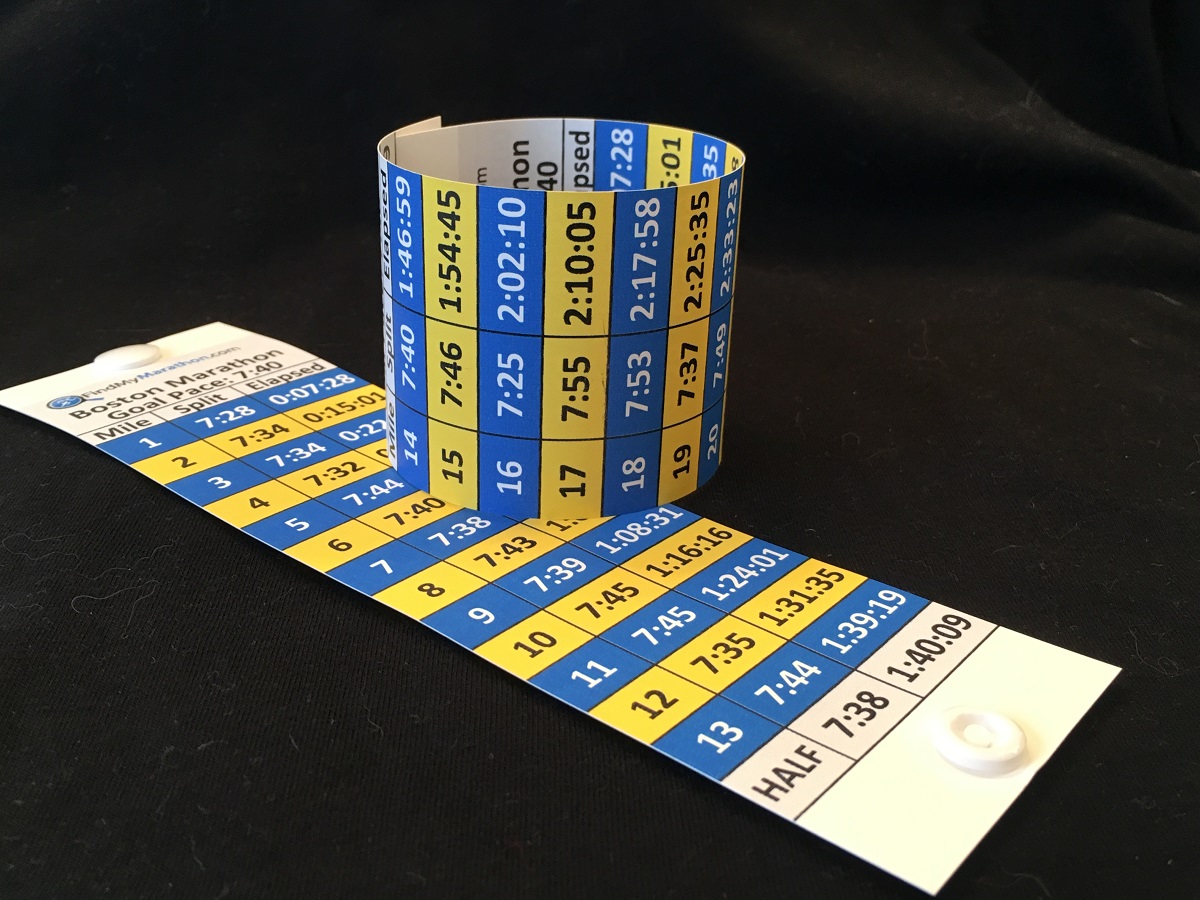
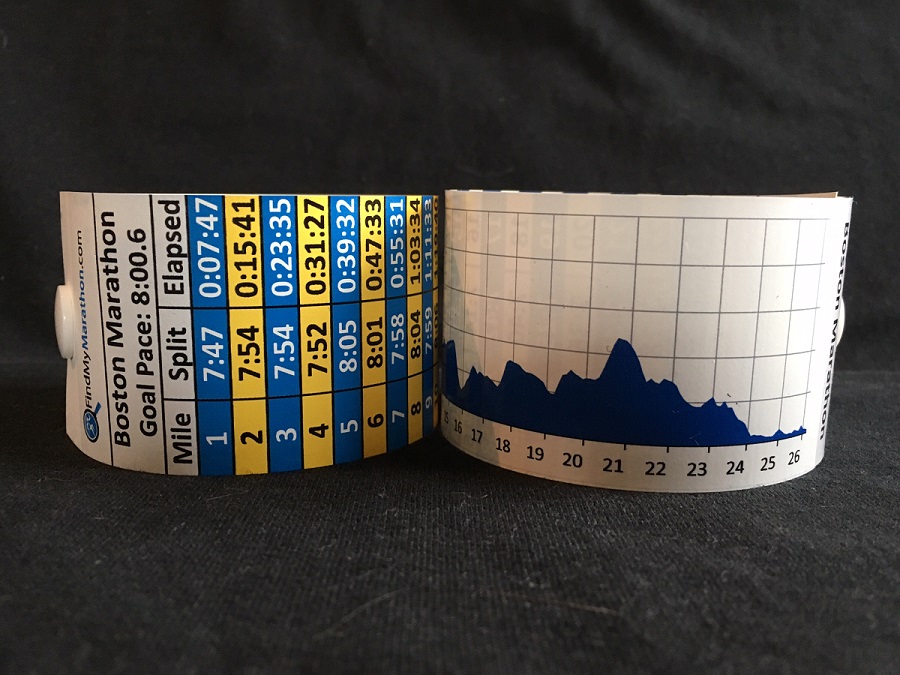
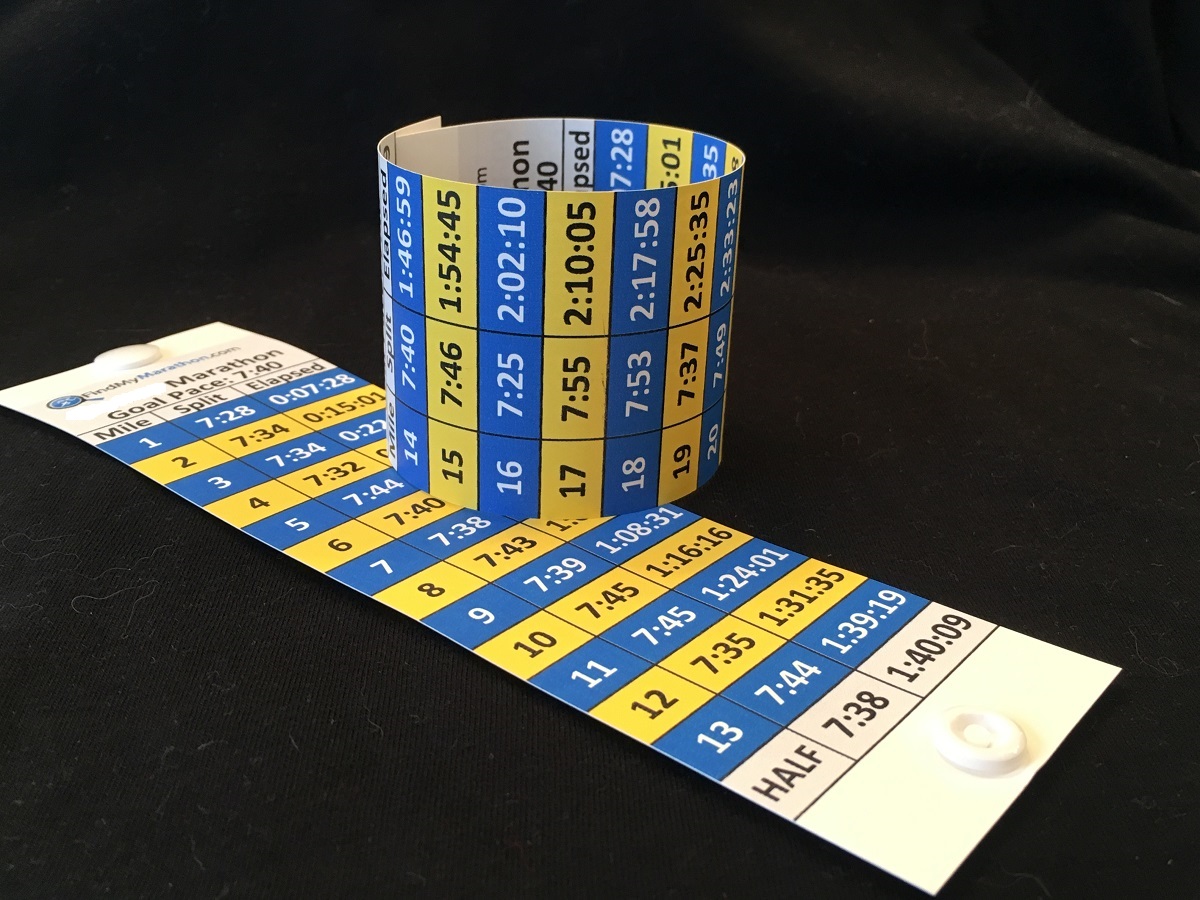
Marathon Pace Bands

Marathon Pace Bands

Run the Right Pace in Your Next Marathon

Nearly 500 marathon courses.
Ships same or Next Day
0
 

U.S. Olympic Trials Marathon (2020) vs U.S. Olympic Trials Marathon (2016) — Marathon Comparison

Compare two marathons side-by-side: course difficulty, elevation, typical race-day weather, finishers, BQs, and runner reviews—so you can choose the right race for your goals.


U.S. Olympic Trials Marathon (2020)

Atlanta, GA
TBD


U.S. Olympic Trials Marathon (2016)

Los Angeles, CA
TBD


Description: U.S. Olympic Trials Marathon (2020)

Highlighting Atlanta's Olympic history and legacy, the course for the 2020 U.S. Olympic Team Trials Marathon will take athletes on a tour of some of Atlanta's most important attractions and neighborhoods. Competitors will begin their race in front of Centennial Olympic Park – the crown jewel of the 1996 Atlanta Games – and head down Marietta Street toward Peachtree. They will proceed three miles north on Peachtree until they pass the intersection of Peachtree and West Peachtree, then turn around and head back down Peachtree in the opposite direction, loop through Atlanta’s Old Fourth Ward neighborhood and return to downtown. The runners will complete this loop three times before heading on a 2.2 mile final loop that runs under the Rings and Torch structure from the 1996 Atlanta Olympics, goes by the Georgia Capitol building and passes by the sports stadiums that house the Atlanta Falcons, Atlanta Hawks and Atlanta United FC. They will then reach the welcome sight of the finish line inside Centennial Olympic Park.

The course climbs 1,389 feet over the 26.2 miles and descends 1,382 feet to the Centennial Park finish.

Compare the 2020 Olympic Trials Marathon with the 2016 Trials Marathon HERE.

Description: U.S. Olympic Trials Marathon (2016)

The 2016 United States Olympic Marathon Trials starts and finishes at the Gilbert Lindsay Plaza between the Staples Center and the L.A. Convention Center. The men will start at 10:06am and the women will start 16 minutes later at 10:22am.

The marathon course consists of an initial 2.2188 mile section followed by four repetitions of a 6 mile loop.

Race Dates

2026: TBD
2025: TBD

Course Information

Profile: Rolling Hills
Type: Multiple Loops
Surface: Road/Pavement
Certified (Boston Qualifier): Yes

PR Score & Course Score

PR Score: 97.35
Course Score: 97.35

Race Day Weather

Mean Temperature: 50°F (10°C)
Average High: 60°F (15°C)
Average Low: 41°F (5°C)


Race Size

2026: No Results
2025: No Results
2024: No Results
2023: No Results
2022: No Results

BQ Percentages

2026: N/A
2025: No Results
2024: No Results
2023: No Results
2022: No Results

Miscellaneous Information

Pace Groups?: No


Race Dates

2026: TBD
2025: TBD

Course Information

Profile: Rolling Hills
Type: Multiple Loops
Surface: Road/Pavement
Certified (Boston Qualifier): Yes

PR Score & Course Score

PR Score: 98.72 (Better PR Chance)
Course Score: 99.22 (Faster Course)

Race Day Weather

Mean Temperature: 59°F (15°C)
Average High: 69°F (20°C)
Average Low: 49°F2 (9°C2)


Race Size

2026: No Results
2025: No Results
2024: No Results
2023: No Results
2022: No Results

BQ Percentages

2026: N/A
2025: N/A
2024: N/A
2023: No Results
2022: N/A

Miscellaneous Information

Pace Groups?: No


Marathon Rankings:
U.S. Olympic Trials Marathon (2020)

Rankings will be listed for 2026 at the end of the year.

Its Course Score of 97.35 ranks it as the th fastest marathon course in the U.S. and the th fastest course in Georgia.

The typical race time temperature and humidity levels are within the ideal range for optimal marathon performance. This, coupled with the Course Score, gives the U.S. Olympic Trials Marathon (2020) a PR Score of 97.35. This PR Score ranks it as the th fastest marathon in the U.S. and the th fastest in Georgia.

Learn more about PR Scores and Course Scores on the FAQ page.
 

Marathon Rankings:
U.S. Olympic Trials Marathon (2016)

Rankings will be listed for 2026 at the end of the year.

Its Course Score of 99.22 ranks it as the th fastest marathon course in the U.S. and the th fastest course in California.

The typical race time temperature and humidity levels are slightly above the ideal range for optimal marathon performance. This, coupled with the Course Score, gives the U.S. Olympic Trials Marathon (2016) a PR Score of 98.72. This PR Score ranks it as the th fastest marathon in the U.S. and the th fastest in California.

Learn more about PR Scores and Course Scores on the FAQ page.


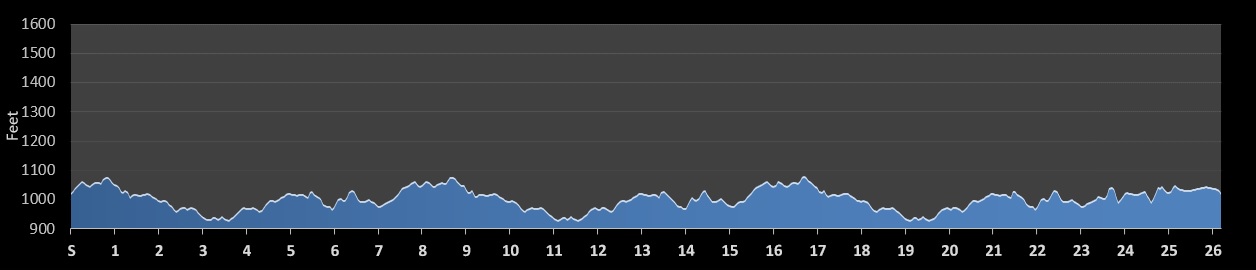
Elevation Chart: U.S. Olympic Trials Marathon (2020)

Max Elevation: 1079 feet (328m)Elevation Gain: 1389 feet (423m)
Min Elevation: 930 feet (283m)Elevation Loss: 1382 feet (421m)

U.S.

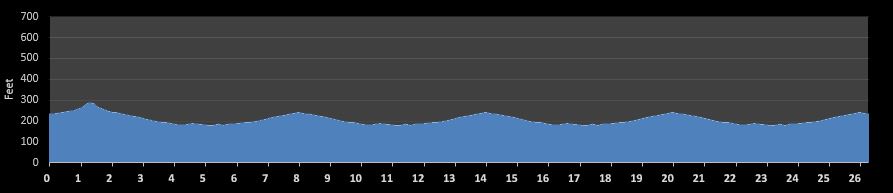
Elevation Chart: U.S. Olympic Trials Marathon (2016)

Max Elevation: 287 feet (87m)
Min Elevation: 178 feet (54m)

U.S.


Finish Time Equivalent


If you ran the U.S. Olympic Trials Marathon (2020) in 3:21:00, the equivalent finish time for the U.S. Olympic Trials Marathon (2016) would be 3:18:49.

See how your race times would compare on other marathon courses using the Marathon Time Converter Tool.


Marathon Pace Bands

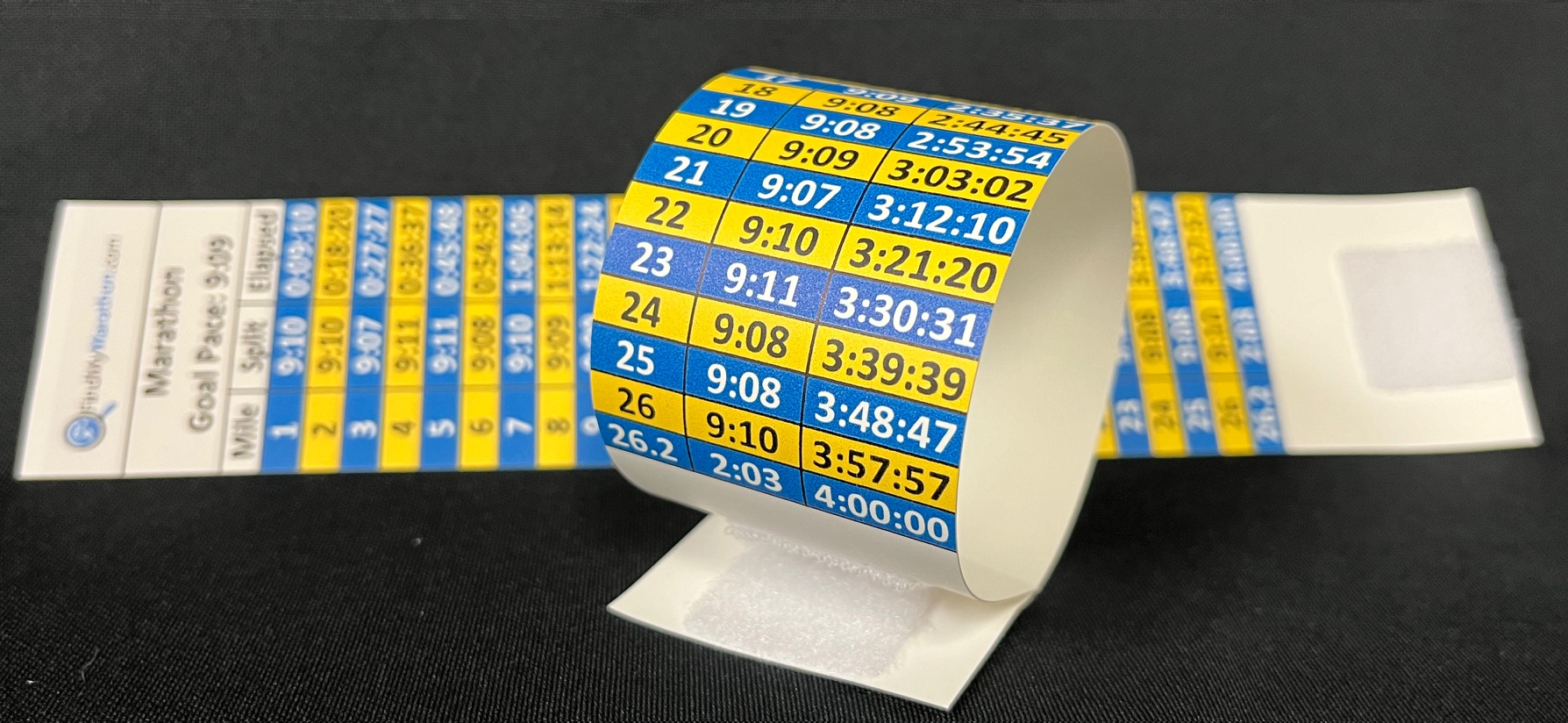
See what splits you need to run for the U.S. Olympic Trials Marathon (2020), the U.S. Olympic Trials Marathon (2016) or hundreds of other marathons, adjusted for the specific terrain of each marathon and your goal time, and pacing strategies.

Use the data for Free or Order a Waterproof, Snap-on or one-size-fits-all Pace Band for only .


Race Reviews

U.S. Olympic Trials Marathon (2020)
None


U.S. Olympic Trials Marathon (2016)
None


Marathon comparison FAQ

Focus on elevation and terrain, typical race-day temperatures, finisher counts, entry cost, runner ratings, and travel logistics. Those factors usually predict difficulty and overall experience.
A marathon is usually harder when it has more elevation gain, tougher terrain (hills/trails), hotter or more humid weather, and lower runner satisfaction scores.
Yes—use the marathon search page to find races near your location, then select two races to compare them side-by-side on this page.