


Whether you are chasing a Boston qualifying time or just looking to finish your first 26.2, the weather on race day is the one variable you cannot train away. While a crisp 45°F morning is often cited as the "Goldilocks" temperature for marathoners, many spring and fall races serve up unexpectedly warm conditions. Understanding how heat impacts your body and your pacing is the first step toward a successful (and safe) finish.
How Heat Hits Your Finish Time
Heat isn't just uncomfortable; it slows you down. As your core temperature rises, your body enters a physiological "tug-of-war": it must send blood to your working muscles while simultaneously redirecting blood to the skin’s surface to cool you down via sweat. This reduces efficiency and increases fatigue.
- The Optimal Temperature Window: Most runners perform best between 44°F and 59°F (7°C–15°C).
- Heat Slowdown: Above ~60°F, expect a decline in pace of roughly 1-3% for every 5°F increase, depending on conditions, fitness level, and recent training conditions.
- Pace Group Variance: Slower runners are often hit harder by heat because they spend more time exposed to the elements. While elites might slow by only 1% for every 5°C (9°F) increase, mid-pack and back-of-the-pack runners can see performance drops of 3% or more.
- Humidity Matters: Humidity becomes a major concern once temperatures reach ~60-65°F. High humidity prevents sweat from evaporating, reducing your body's primary cooling mechanism.
Tips for Racing in Warmer Weather
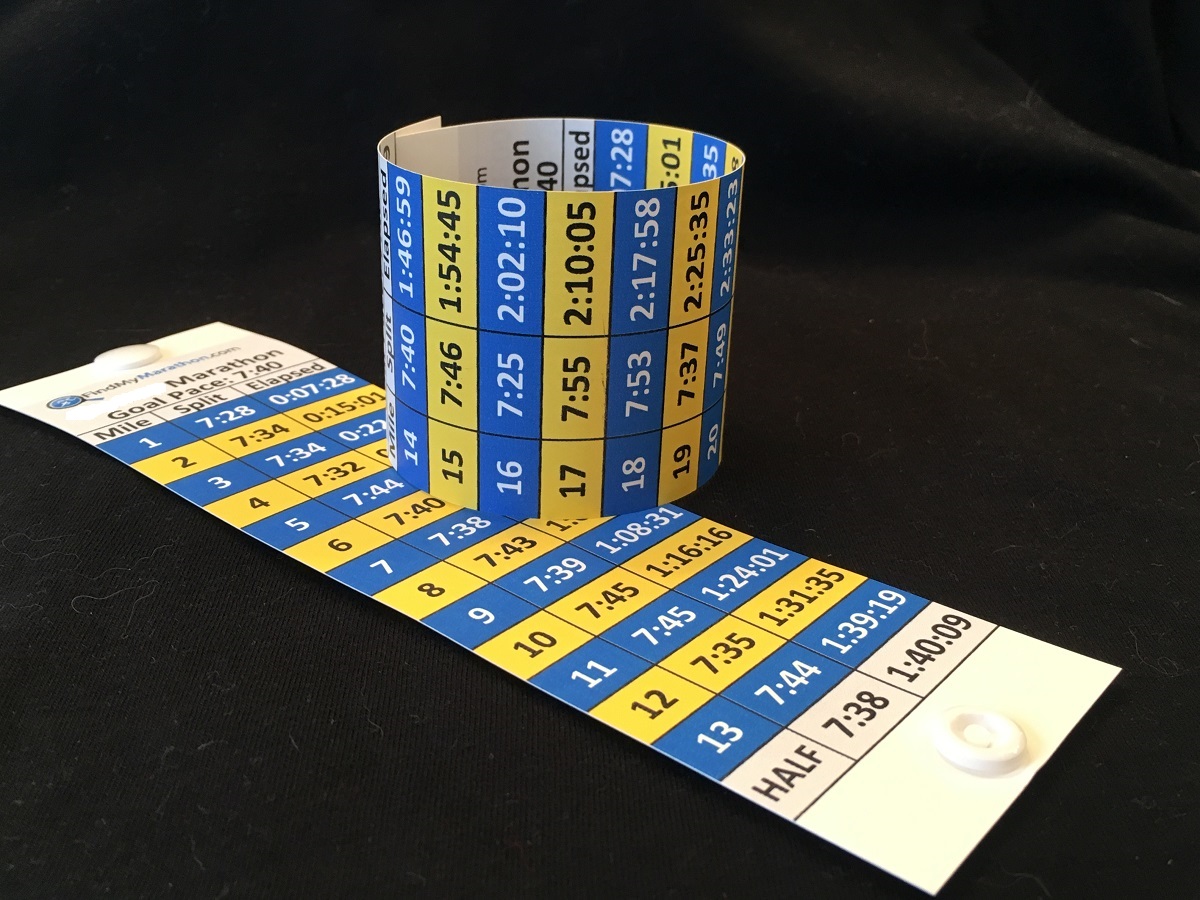
When the forecast calls for sun and soaring temps, "Plan A" needs to become "Plan B".
Pro Strategies for Staying Cool on the Course
The most successful warm-weather runners also use "active cooling" to delay the rise of their core temperature.
Final Takeaway
You can’t control the weather, but you can control how you respond to it. Runners who succeed in the heat don’t fight it. They adjust early, stay disciplined, and manage their effort. Run smart early. Finish strong late.