

Published by FindMyMarathon.com
Updated: May 7, 2026
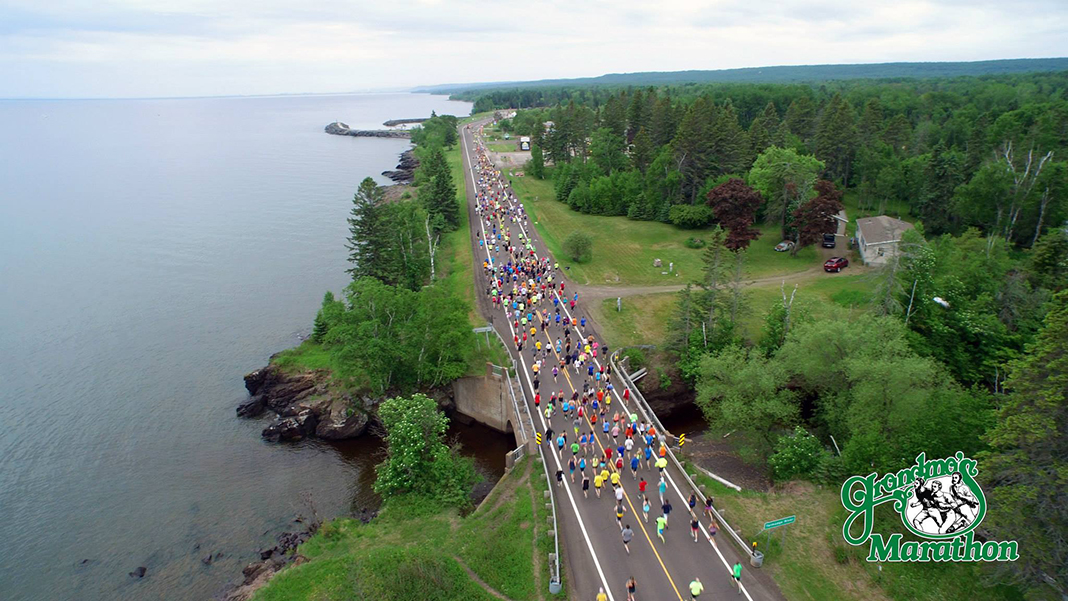
 Grandma's Marathon, running from Two Harbors to Duluth, Minnesota along the scenic shores of Lake Superior, has earned its reputation as one of America's most beloved marathons. Established in 1977, this point-to-point course runs almost entirely along the scenic Highway 61, offering cool lake breezes, rolling hills, and steady elevation loss. Whether you’re chasing a personal best or a Boston Marathon qualifier (BQ), this course offers the terrain and environment to make it happen—if you pace it wisely. This comprehensive guide will help you navigate the course effectively and develop an optimal pacing strategy to achieve your marathon goals.
Start Location: Two Harbors, Minnesota
Finish Location: Canal Park, Duluth, Minnesota
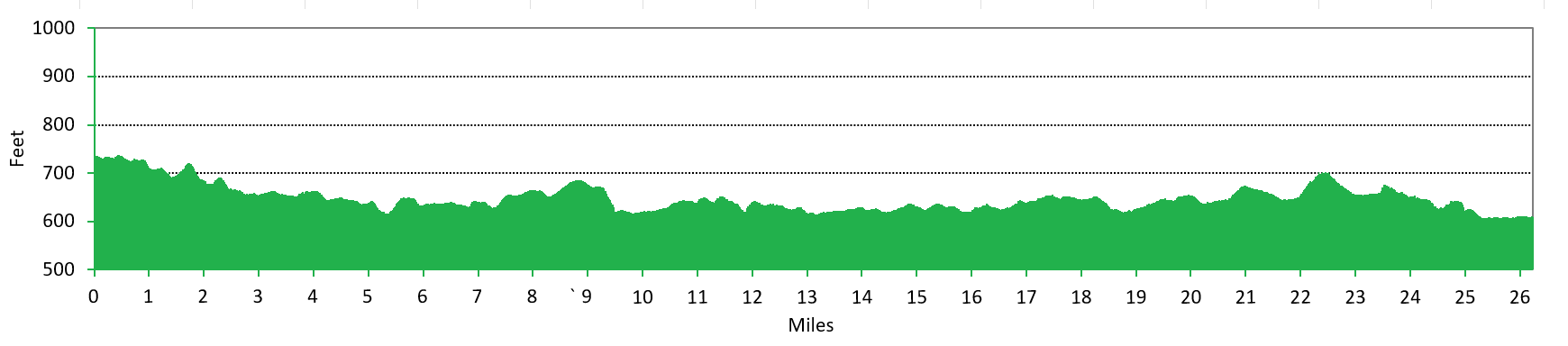
Elevation Change: Net downhill of approximately 130 feet point
Course Type: Point-to-point
USATF Certified: Yes (Boston & World Marathon Majors Qualifier)
Typical Weather: Temperatures typically range from 50-60°F at the start, reaching high 60s to low 70s by the finish
Grandma’s Marathon course is best run with an evenly paced or conservative start and either an even effort or negative split pacing strategy. Those runners who can resist the urge to overrun the early downhill and are able to adjust their pace subtly to maintain a consistent effort will be rewarded with personal records and Boston qualifying.
To craft the ideal pacing strategy, it's essential to understand the different segments of Grandma's Marathon. Here's a breakdown of the course, highlighting key characteristics and offering pacing recommendations for each section:
Terrain: Gentle downhill with some flat sections
Elevation Change: -100 feet overall
Key Features: Open highway with some views of Lake Superior
The race kicks off just north of Duluth, near Two Harbors, along Scenic Highway 61. The initial miles are characterized by a gentle downhill slope and small hills. This can be both a blessing and a curse. While it might feel easy to go out fast, it's crucial to resist the urge to do so. Starting too quickly on the initial downhills can lead to early fatigue in your legs, which will negatively affect you later in the race. Several of the first few miles are more inland and can be a bit warmer without the breeze off of Lake Superior.
Pacing Strategy: Aim for a pace slower than your goal marathon pace during these opening miles. Focus on settling into a comfortable rhythm and conserving energy. Think of this section as a warm-up, allowing your body to adjust to the demands of the race. Pay attention to your effort level rather than strictly adhering to your pace, as the downhill might make a faster pace feel deceptively easy.
Terrain: Flat sections with some rolling hills
Elevation Change: -10 feet overall
Key Features: Continued highway with views of Lake Superior
As you progress along Scenic Highway 61, the course becomes more undulating, featuring rolling hills along with some flat sections. While these aren't significant climbs, they can take a toll if you're not mindful of your effort. The scenery of Lake Superior is breathtaking and can provide a welcome distraction. Be aware of potential winds coming off the lake, which, depending on the direction, can impact your perceived effort. Keep track of how much headwind and tailwind you'll experience on the course (as well as other weather conditions) with FindMyMarathon's Grandma's Marathon Personal Weather Tracker.
Pacing Strategy: During this section, aim to settle into your planned marathon pace. On the uphill portions, focus on maintaining a consistent effort rather than trying to maintain the same pace as on flat ground. Shorten your stride if needed and avoid pushing too hard. Utilize the downhill sections to recover, but don't try to make up time by significantly increasing your speed. Consistency is key here. Listen to your body and adjust your effort accordingly. If you're feeling good, stick to the plan. If you're struggling on an incline, ease off slightly to conserve energy for later.
Elevation Change: +30 feet overall (+75 feet to the top of Lemon Drop Hill)
Key Features: Views of Lake Superior and getting closer to town
Terrain: Late race hills
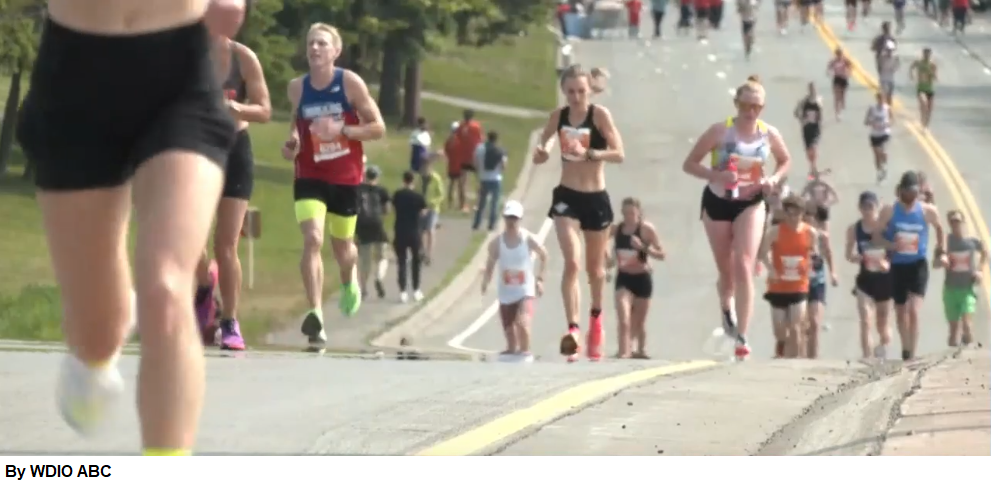
From miles 20-22.5, the course rises a total of 75 feet over a few hills, culminating in the climb up the famous Lemon Drop Hill. It's not an exceptionally steep hill compared to others (+45 feet), but its late placement in the race (mile 22) makes it a significant challenge for many. By this point, your legs will likely be tired, and energy reserves might be dwindling. Lemon Drop also marks the last significant hill and the start of the descent into Duluth.
Pacing Strategy: As you approach Lemon Drop Hill, be prepared to reduce your pace slightly. Focus on maintaining a consistent effort as you climb. Shorten your stride and try to stay relaxed. Avoid the temptation to push hard to get over it quickly, as this can drain valuable energy for the final miles. Once you reach the summit and begin the descent, be cautious not to overstride, which can put extra strain on your quadriceps.
Terrain: Series of downhills mixed with mostly flat sections
Elevation Change: -50 feet overall
Key Features: City of Duluth and growing crowds
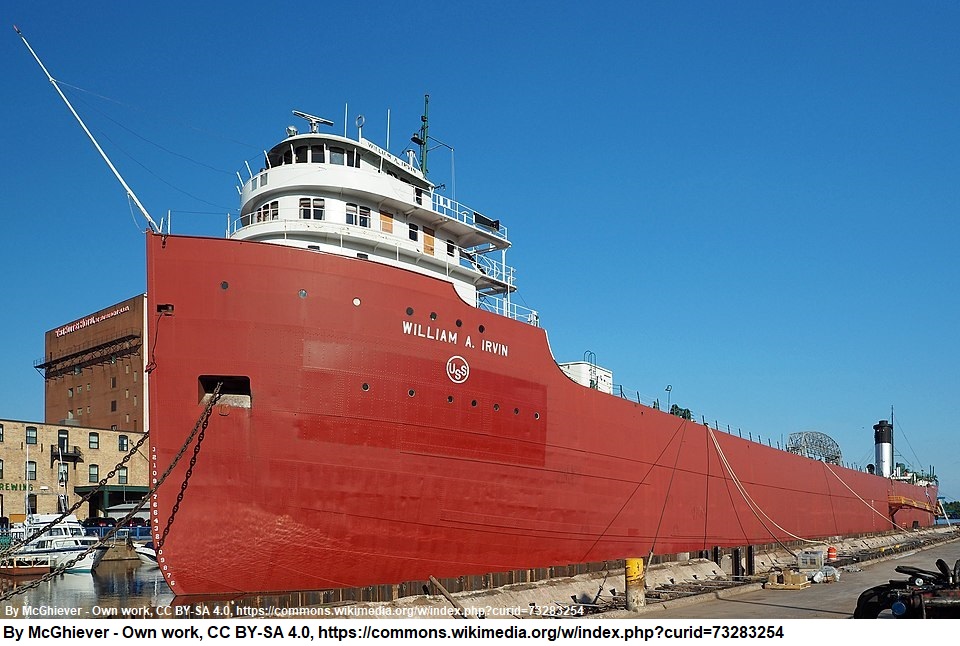
The final few miles lead you into the city of Duluth and towards the finish line in Canal Park . You'll pass landmarks like Fitger's Brewing Company around mile 24 and the SS William A. Irvin ore ship around mile 25.5 . The crowds in Duluth are known for their enthusiastic support, which can provide a significant boost in these final, challenging miles.
Pacing Strategy: If you've paced yourself well in the earlier sections, you might find you have some energy left to gradually increase your pace in these final net downhill miles, aiming for a slight negative split for the race. However, if you're feeling fatigued, focus on maintaining your current pace and pushing through to the finish. The cheers of the crowd can be incredibly motivating, so use that energy to carry you across the finish line near Grandma's Saloon & Grill and the Aerial Lift Bridge.
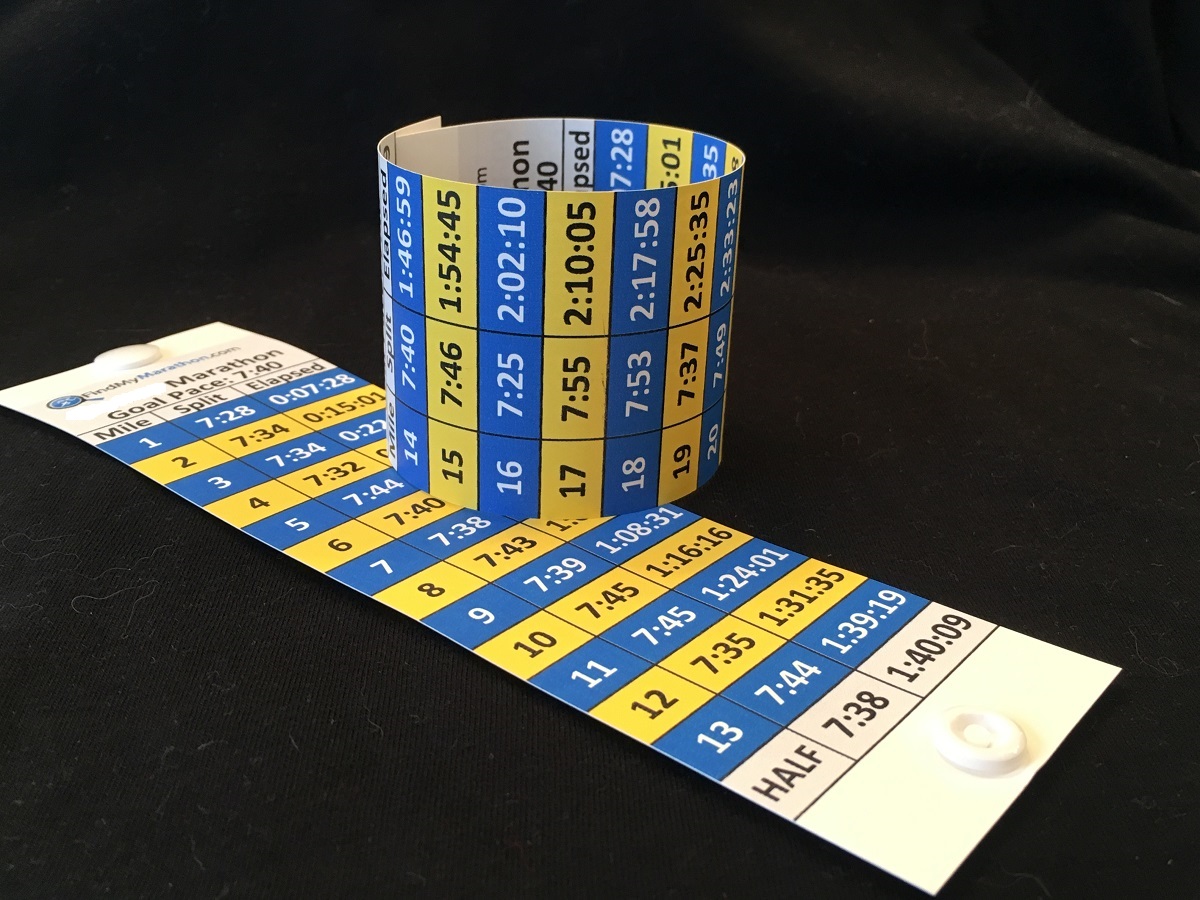
Grandma's Marathon offers a beautiful but challenging course that rewards strategic pacing and course knowledge. The key to success lies in respecting the early downhills, managing effort on the middle hills, and saving enough energy for a strong finish. By following these pacing guidelines and adjusting for conditions, you'll maximize your chances for a memorable and successful race experience along the shores of Lake Superior. Ensure that you're stay on the right pace at Grandma's by purchasing a Pace Band designed specifically created for the Grandma's course and your goals.
Q: Is Grandma's Marathon a good race for achieving a Boston Marathon Qualifying (BQ) time?
A: Absolutely. Grandma's Marathon is widely recognized as one of the top BQ races in the U.S. Its combination of net downhill, cool temps, and steady terrain makes it favorable for runners chasing qualifying times and personal bests. Boston Qualifying percentages range from 16-20%.
Q: What kind of weather can I expect at Grandma's Marathon?
A: Grandma's Marathon takes place in mid-June, so weather conditions can be variable. Race start temperatures are typically between 50-60°F with finishing temperatures rising into the 60's and 70's. With the south-westerly direction of the course, wind direction can have a significant affect on the course. Historical Grandma's Marathon weather.
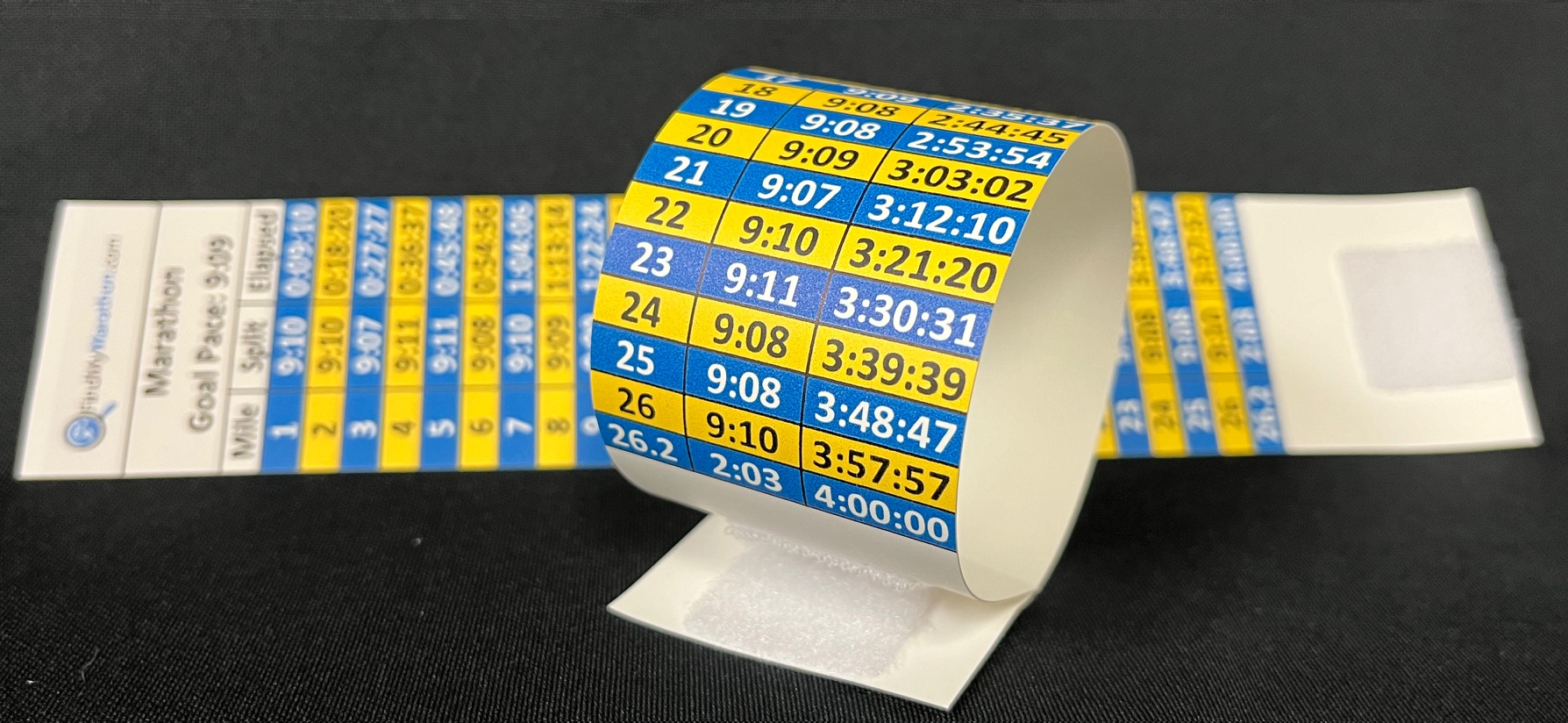
Q: What pacing strategy should I use to achieve my goal times at the Grandma's Marathon?
A: The net-downhill course is perfect for an Evenly Paced or Conservative Start and a pacing strategy of either Even Effort or Negative Split. Create a Pace Band specifically designed for the Grandma's Marathon course with those strategies to ensure you'll run the right pace on race day.