

Published by FindMyMarathon.com
November 3, 2025
 The Philadelphia Marathon is more than just a 26.2 mile run; it’s a tour through American history, fantastic architecture and scenic riverfronts. Held annually on the Sunday before Thanksgiving, this race has earned a reputation as must-do marathon and a good Boston Marathon Qualifier thanks to its relatively flat profile and cool November weather.
If you’re chasing a personal best or a coveted BQ, the Philadelphia course offers the perfect environment, provided you respect its subtle challenges and employ a smart pacing strategy. Our comprehensive Philadelphia Marathon guide will break down the course segment by segment and offer an optimal strategy to help you run your best race in the City of Brotherly Love.
Race Location: Philadelphia, Pennsylvania
Elevation Profile: Mostly Flat with Rolling Hills in the middle miles
Course Type: Mostly Loop with an ~8 mile Out-and-Back segment on the Schuylkill River
USATF Certified: Yes (Boston & World Marathon Majors Qualifier)
Typical Weather: Temperatures typically range from mid-30s to mid 40s°F at the start, reaching mid 40s to low 50s by the finish
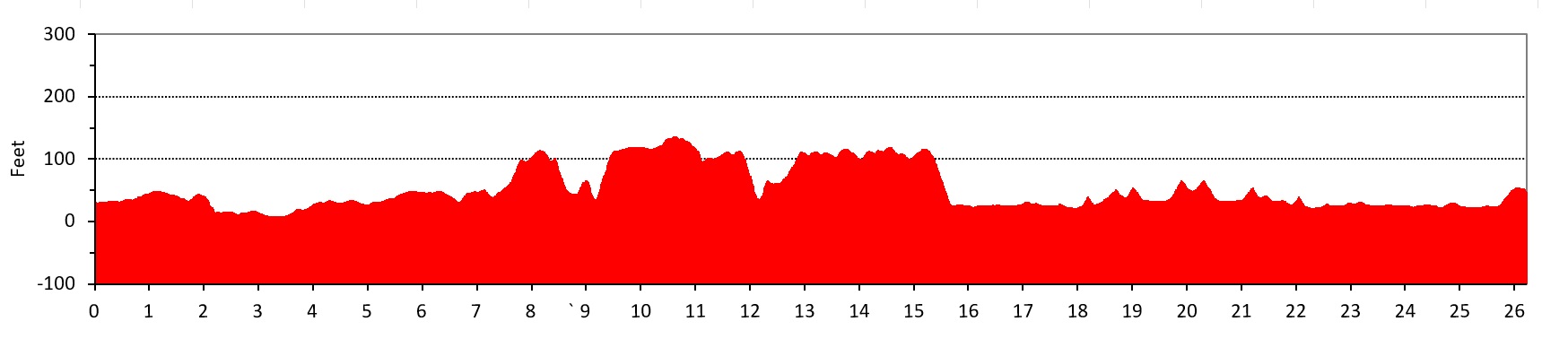
With only two major climbs and both early in the race (Miles 8 and 10), the Philadelphia Marathon is a fast, slightly rolling course. The key to success is to capitalize on the early flatness, maintain a steady effort through the middle rolling sections, and save energy for a strong finish on the fast, flat return along the river.
An Even Effort or a slight Negative Split strategy is recommended for maximizing your performance. Here is a breakdown of the course, highlighting key characteristics and offering pacing recommendations for each section:
Terrain: Generally flat, then the first significant climb
Elevation Change: Flat through the frst 7 miles, then a significant ~75 foot climb up 34th St.
Key Features: Historic downtown area, Old City, Penn’s Landing, first Schuylkill River crossing.
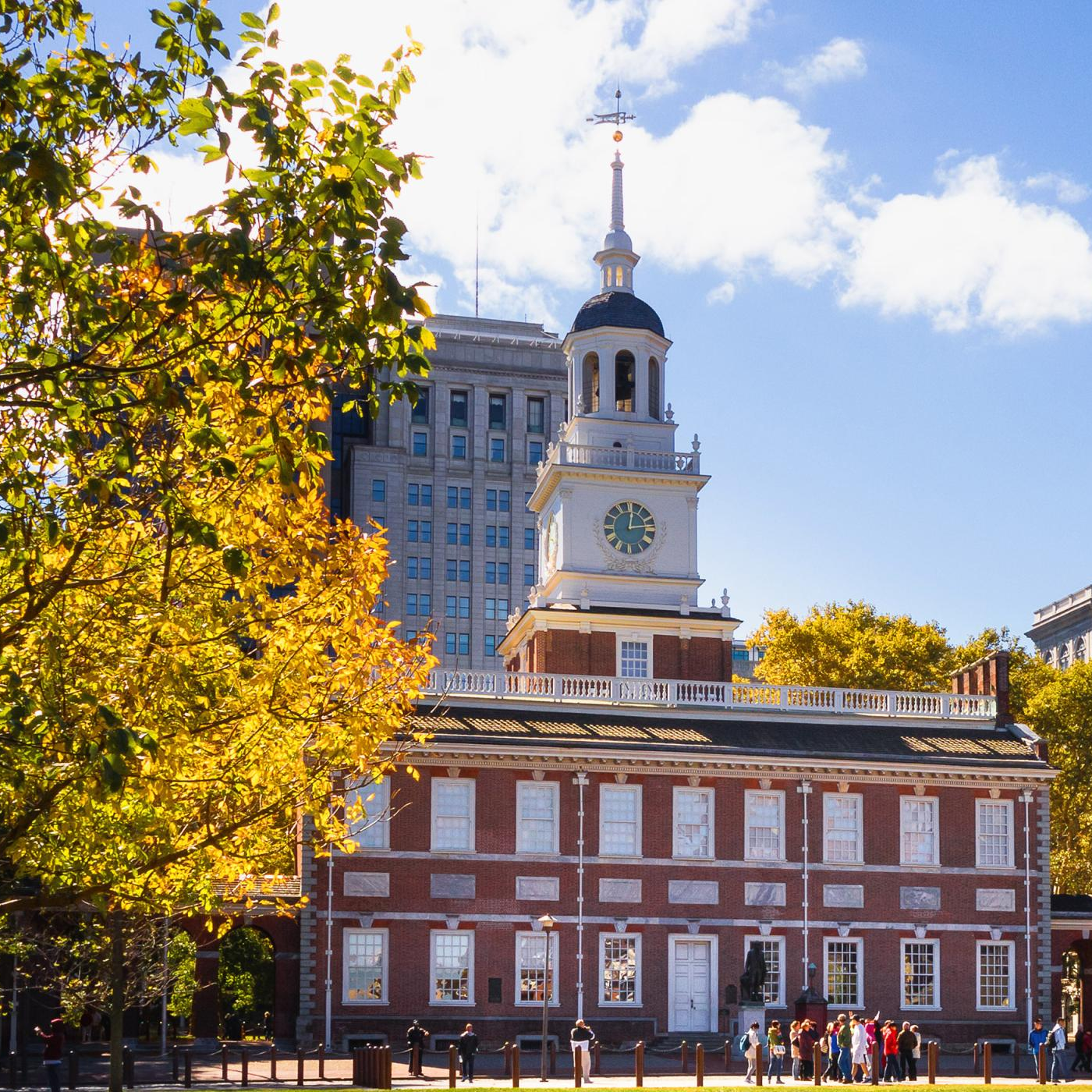
The race starts on the iconic Benjamin Franklin Parkway and immediately takes runners through the historic heart of the city, including sights like the Liberty Bell and Independence Hall. The first seven miles are fast and flat, allowing you to settle into your rhythm. The first significant hill happens just past mile 7 and climbs 75 feet over 0.8 miles
Pacing Strategy: Be disciplined. This section is deceptively fast and the crowds can be thick and loud - especially on Walnut St. Do not treat the initial flatness as "free speed" though. If you do, you'll pay for it late in the race. Aim to run slightly slower than your goal marathon pace to conserve energy and leg strength. When you hit the gradual climb (+70 feet over 0.8 miles) around Mile 7, focus on maintaining a consistent effort rather than a consistent pace. Shorten your stride, keep your head up and accept a temporary slowing of your pace. Don't worry about losing a few seconds off your goal pace here.
Terrain: Downhills and uphills
Elevation Change: Downhill past the Zoo (-70 feet), second climb just past Mile 9 (+80 feet), followed by a downhill to the river (-80 feet).
Key Features: Philadelphia Zoo, West Fairmount Park.
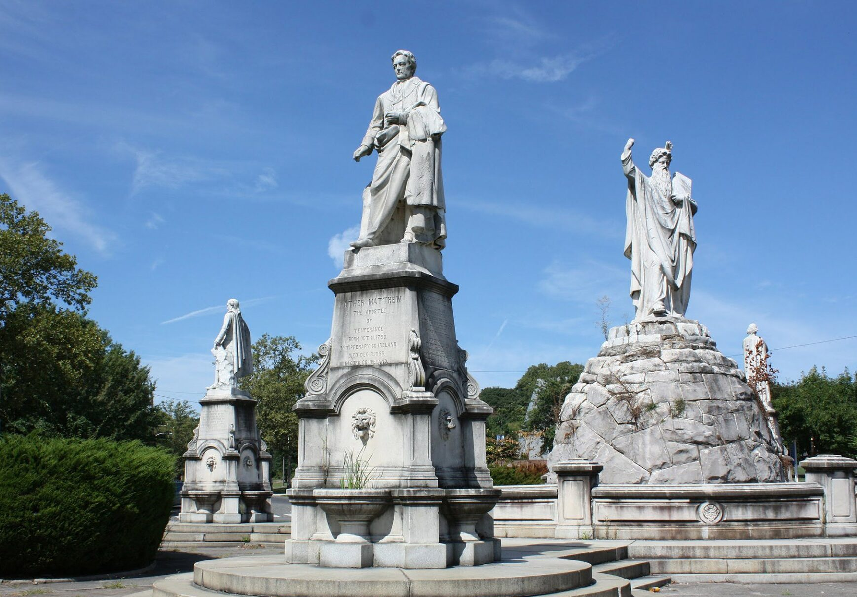
Starting just past mile 8, you'll lose the 70 feet you gained during the last mile and cross a relatively steep bridge over a railway yard. Mile 10 features the course's second significant climb which is steeper than the the first (+80 feet over 0.3 miles). Once over this crest, you'll enjoy a mostly flat 2.2 mile stretch through Fairmount Park. The section finishes with a return downhill from the park down to the river (-80 feet over 0.3 miles).
Pacing Strategy: Focus on efficient running in this section. It has the most elevation changes of the predominantly flat course. Use gravity to assist you in cautiously increasing your pace without overstriding on the two downhill sections. During the ascent of the second hill and bridge over the railway, be patient and don't storm up the inclines. There's plenty of race left to gain the seconds lost. On the 2.2 mile, relatively flat stretch in the park, settle into your marathon pace.
Terrain: Mostly flat with a small uphill and downhill
Elevation Change: Slight hill coming from the river (+50 feet), followed by mostly flat sections, and downhill to the river (-90 feet).
Key Features: East Fairmount Park.
This short section has the last of the climbs on the course. It starts with a gradual 50 foot hill over the first 0.7 miles of the section. The next 2 miles are relative flat, running along the East Park Reservoir and Fairmount Park Athletic Fields. The last and biggest downhill (-90 feet over 0.5 miles) on the course takes runners down to the river for the long out-and-back section along the Schuylkill River.
Pacing Strategy: It's important to continue to be patient during this section. You'll pass the halfway point and leave the more difficult portion of the course behind you. As with the previous uphill and downhill, use gravity to assist you on the downhill, but don't overstride. Don't charge the uphills and don't be concerned with slowing down here. It's most important to leave this section still feeling relatively fresh and ready to tackle the mentally challenging out-and-back along the river.
Terrain: Mostly flat on Kelly Drive and Main St. along the river to the turnaround
Elevation Change: Slight net uphill (+25 feet) over the 4+ miles.
Key Features: Kelly Drive away from the city.
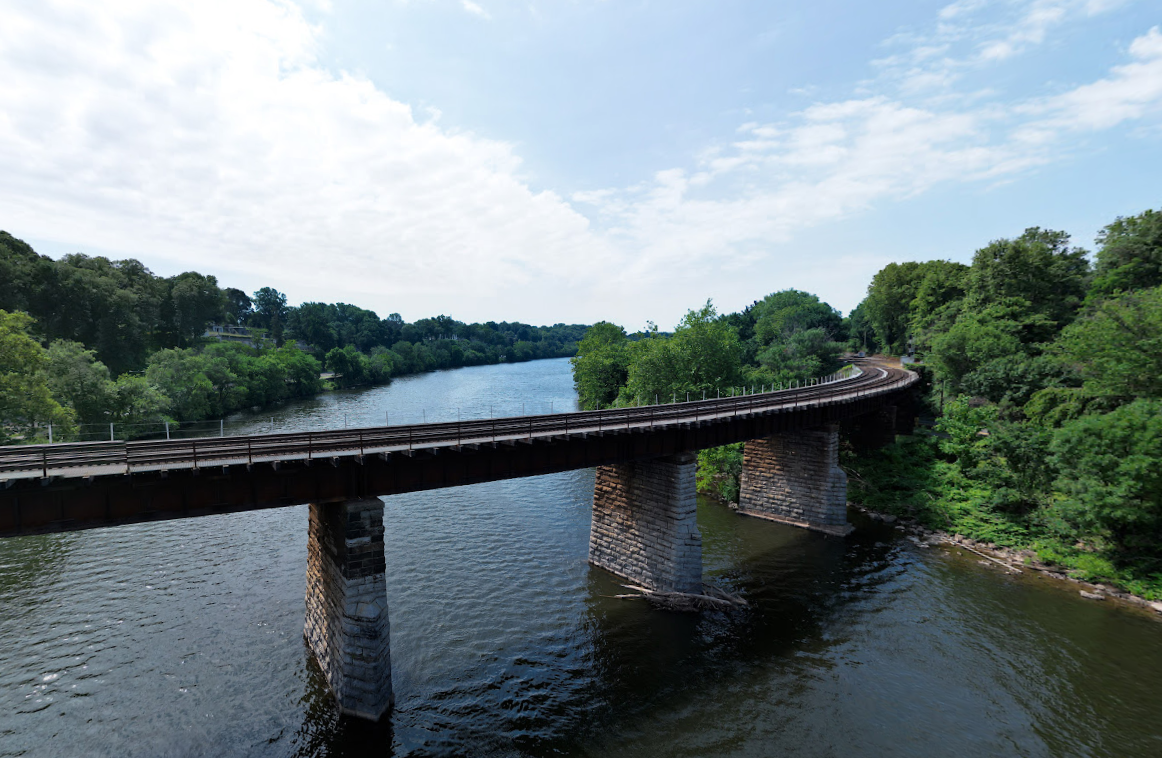
This section is characterized by a long, flat stretch on Kelly Drive and a brief foray into the party atmosphere of the Manayunk neighborhood on Main Street. While beautiful, this section can feel monotonous and exposed to the elements, particularly the wind coming off the river. You will also encounter minor rolling hills (max +20 feet) between Miles 18 and 20, as you head toward the turnaround point.
Pacing Strategy: Maintain an even effort and stay focused. If you have paced the first half conservatively, this is where you rely on your training and settle into your marathon pace. Do not let the lack of crowd support in parts of this section allow your focus to drift. If facing a headwind, tuck in behind a group to conserve energy. On the small rollers near the turnaround, treat them as you did the earlier hills: maintain effort, not pace.
Terrain: Fast, flat, and net downhill return
Elevation Change: Slight net downhill (-20 feet) for the final miles.
Key Features: Running back along Kelly Drive, Boathouse Row, and the final sprint on the Benjamin Franklin Parkway.
After the turnaround, you are on the roughly 10K long home stretch. The return journey along Kelly Drive is fast and flat, featuring the famous Boathouse Row, an incredible boost as you realize the finish line is near.
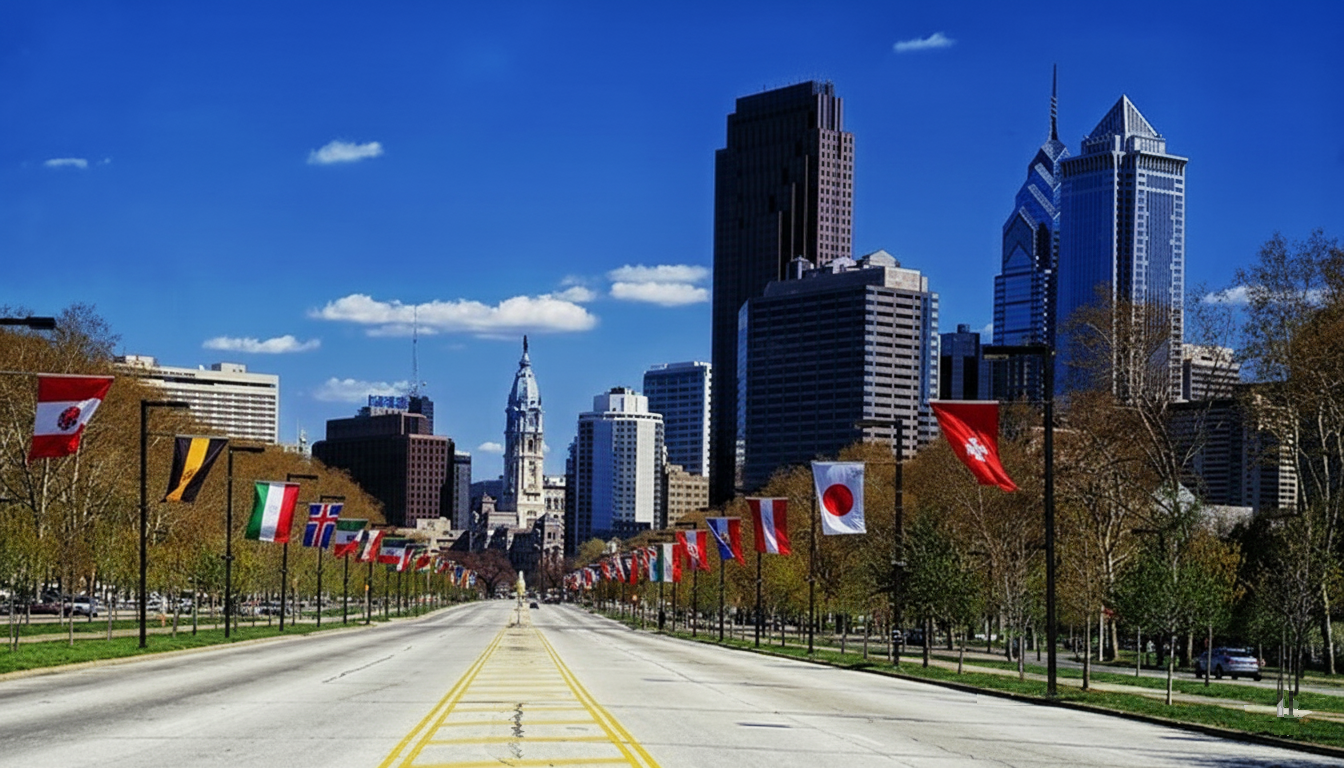
Pacing Strategy: Finish strong. If you have energy remaining, this is your chance for a significant negative split. Gradually increase your effort from Mile 20 onwards. The course is built for speed in these final miles. Use the energy from the crowds that build as you approach the city center. Once you turn back onto the Benjamin Franklin Parkway (around Mile 25), push through the final stretch and sprint to the finish line near the Art Museum steps.
The Philadelphia Marathon is one of the most iconic U.S. marathons. Runners' success in conquering this race lies in respecting the early hills and maintaining a consistent, conservative effort through the middle sections. Stick to your plan, use the city’s history to distract you, and be ready to charge home on the final flat miles.
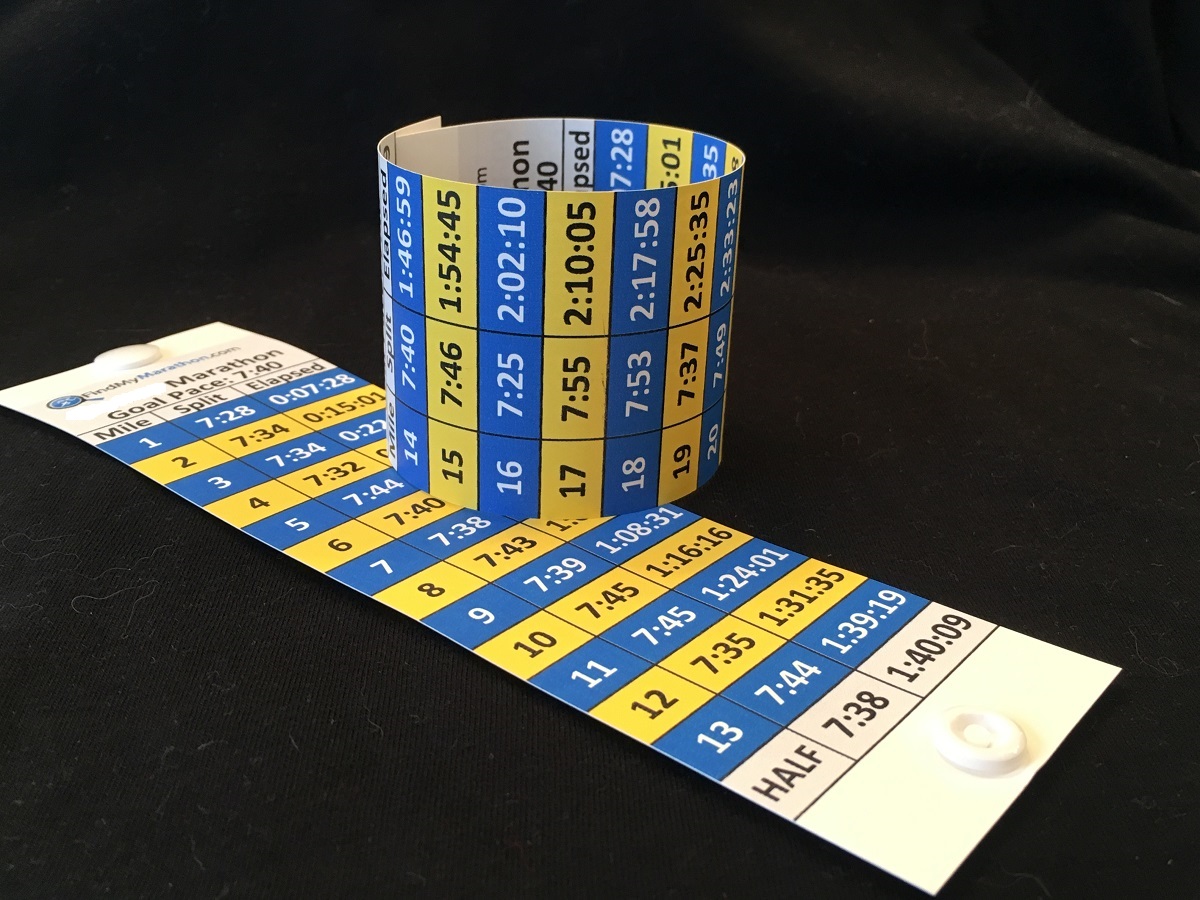
Ensure you’re running the right pace by purchasing a Pace Band specifically created for the Philadelphia course and your goals.
Q: Is the Philadelphia Marathon a good race for achieving a Boston Marathon Qualifying (BQ) time?
A: A: Yes, the Philadelphia Marathon is considered a great Boston Qualifier. Its relatively flat profile, wide roads, and ideal late-fall weather contribute to excellent finishing times. In recent years, between 13% and 15% of finishers have successfully qualified for the Boston Marathon.
Q: What kind of weather can I expect at the Philadelphia Marathon?
A: A: As a November race, you can expect optimal "fast" running weather. Average start temperatures for the past 15 years have been around 42°F (6°C), rising to the low 50s°F by the finish. This cool, crisp air is excellent for marathon running, but be prepared for potential wind exposure along the riverfront sections. Keep track of race day weather conditions on our Philadelphia Marathon Historical Weather page.
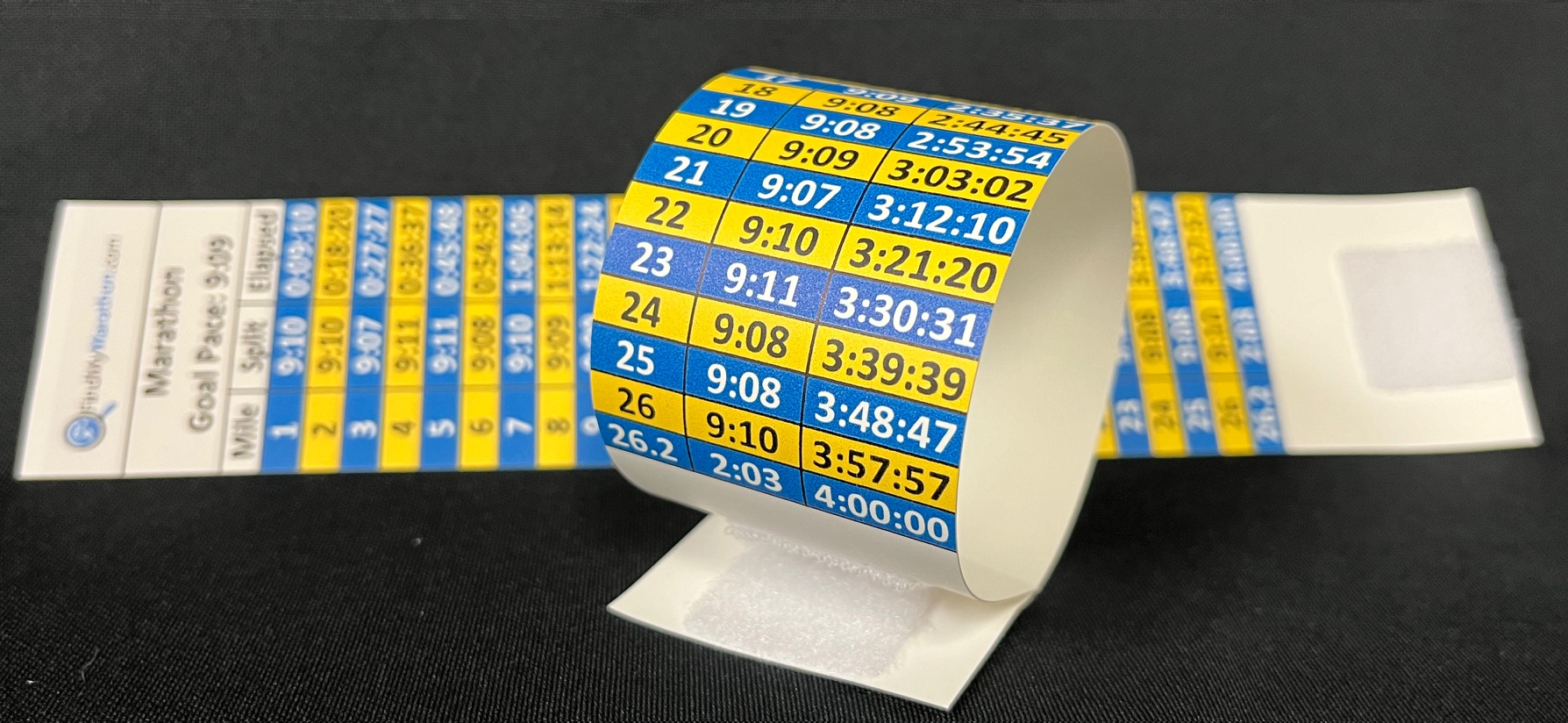
Q: What pacing strategy should I use to achieve my goal times at the Philadelphia Marathon?
A: The course's profile is best suited for an Even Effort or Negative Split strategy with either an Evenly Paced or Conservative Start.